
Implant Supported Dentures in Plainville, MA
Dentures anchored to dental implants so they stay in place when you eat, speak and smile, with no adhesive needed.
Implant supported dentures connect a full or partial denture to a small number of dental implants. The result is a denture that stays put, which changes what you can eat and how confidently you can talk and laugh.
SpecialFREE Implant Consultation & 3D Cone Beam Scan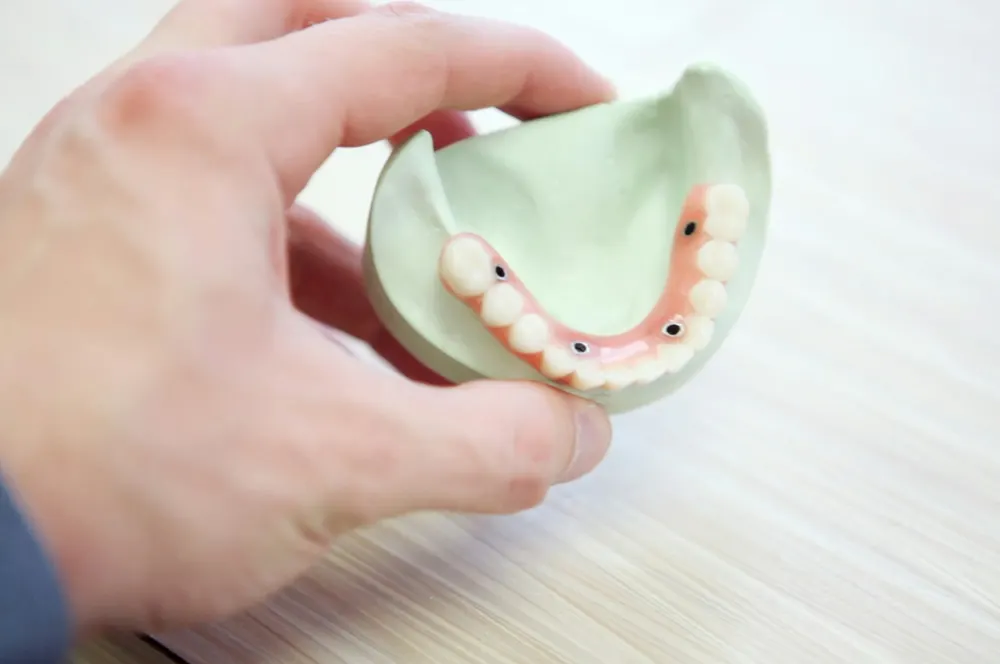
What’s included
- Dentures held in place by implants instead of suction or adhesive
- Steadier chewing and clearer speech than a loose denture
- Can help preserve jawbone where implants are placed
- Custom denture designed for your bite and appearance
- Planned by a dentist with a special interest in prosthodontics
About Implant Supported Dentures
Implant supported dentures offer a secure and stable alternative to traditional dentures, dramatically improving your comfort and confidence when eating, speaking, and smiling. By anchoring dentures securely to dental implants, this solution eliminates common issues associated with conventional dentures such as slipping, discomfort, or dietary restrictions. Benefits of implant supported dentures include enhanced stability and a secure fit, improved chewing efficiency, no need for messy adhesives, better speech clarity, and preservation of jawbone structure and facial appearance. Implant supported dentures involve the strategic placement of dental implants into your jawbone. These implants serve as sturdy anchors for your dentures. After a healing period, your custom-designed dentures will be securely attached to the implants, providing exceptional comfort and functionality. During the implant procedure, local anesthesia ensures a comfortable experience. Post-treatment, mild swelling or discomfort is normal and easily managed with medication and proper aftercare. With regular dental hygiene and periodic check-ups, implant supported dentures provide a long-lasting, durable, and natural-looking smile.
Why Anchoring a Denture Makes a Difference
A conventional denture rests on the gums and relies on suction and adhesive. Over time, the bone under the gums tends to shrink once teeth are gone, so a denture that fit well at first can gradually loosen. That is when people start avoiding certain foods or worrying about the denture moving while they talk. Implants give the denture something solid to hold on to. Because the implants sit in the jawbone, they can also help slow the bone loss that happens where teeth are missing, which supports the shape of the lower face. For many patients the biggest change is simply not having to think about their teeth. Eating a normal meal, speaking at work or laughing with family becomes ordinary again.
What to Expect
The process begins with an exam and Cone Beam 3D imaging so Dr. Naiman can see the bone available for implants and plan where they should go. Depending on your situation, a lower denture is often supported by two or more implants, and an upper denture may need more. After the implants are placed, they need time to heal and bond with the bone. Your custom denture is then fitted to attach to them. Some designs snap on and off for cleaning; others are fixed and removed only by the dentist. We will explain which designs fit your mouth and goals. Dr. Naiman's special interest in prosthodontics includes dentures and implant dentistry, so planning the denture itself, how it looks and how it meets your bite, is part of the conversation from the first visit.
Common Questions
Can my current denture be converted to an implant supported denture?
How many implants will I need?
Is the denture removable?
How do I care for implant supported dentures?
Will I be without teeth while I heal?
Terms You May Hear
- Overdenture
- A denture that fits over and attaches to dental implants or remaining tooth roots, rather than resting on the gums alone.
- Locator Attachment
- A small snap-style connector that holds a removable denture onto an implant.
- Bone Resorption
- The gradual shrinking of jawbone that can occur after teeth are lost.
Related Services
Ready to Schedule Your Appointment?
If your denture slips or you are facing the loss of most of your teeth, call (508) 695-7674 to talk with Dr. Naiman about implant supported options.