
Extractions in Plainville, MA
Gentle removal of teeth that cannot be saved, with a plan for what replaces them when that matters.
Saving a natural tooth is usually the goal, but sometimes removing it is the healthiest choice. When an extraction is needed, the aim is a comfortable procedure, smooth healing and a plan for what comes next.
What’s included
- Removal of teeth damaged by decay, infection or injury
- Extractions to relieve crowding when needed
- Local anesthesia for a comfortable procedure
- Clear aftercare instructions for healing
- Tooth replacement options discussed before removal
About Extractions
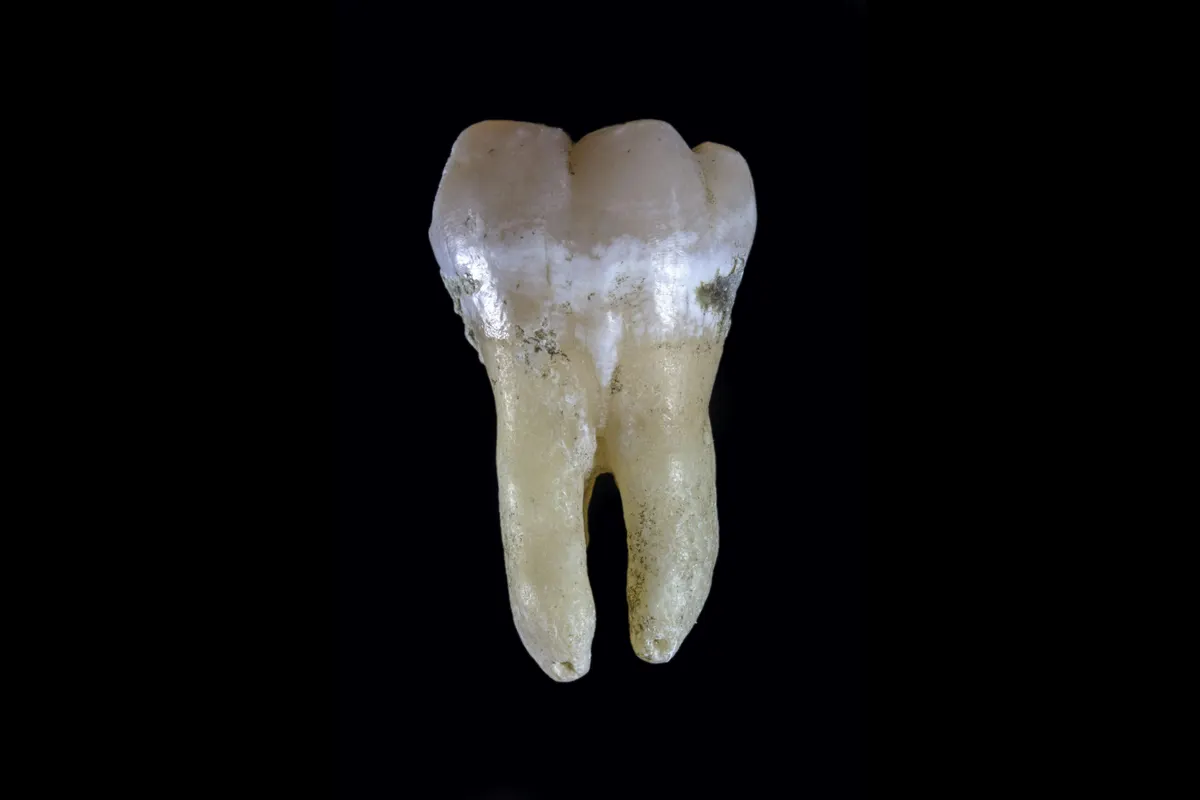
An extraction is performed to remove a tooth, whether because of disease, crowding, or damage. When extractions are required, the area around the tooth will be numbed and your dentist will remove the tooth. A small amount of bleeding is normal, as your mouth will replace the removed tooth root by forming a blood clot in the area.
When Removing a Tooth Makes Sense
A tooth may need to come out when decay or a fracture has gone too far to repair, when infection cannot be resolved with a root canal, when advanced gum disease has loosened it, or when crowding needs to be relieved. Leaving a severely damaged or infected tooth in place can allow infection to spread and can affect neighboring teeth. Removing it can relieve pain and protect your overall oral health. Because Dr. Naiman has a special interest in prosthodontics, replacement is part of the conversation from the start. If the tooth matters for chewing or appearance, we will talk about implants, bridges or dentures before the extraction, since some options are easier to plan in advance.
What to Expect
The area is numbed thoroughly with local anesthesia. You will feel pressure but should not feel sharp pain. Simple extractions are often quick; teeth that are broken at the gumline or have curved roots may take longer. Afterward, a blood clot forms in the socket, which is an essential part of healing. You will receive instructions on bite pressure, rinsing, eating and activity. Some soreness and swelling for a few days is normal. Call the office if pain worsens after the third day, bleeding does not slow, or you notice fever or increasing swelling.
Common Questions
Does a tooth extraction hurt?
What is dry socket?
What can I eat after an extraction?
Should I replace an extracted tooth?
How long does healing take?
Terms You May Hear
- Simple Extraction
- Removal of a tooth that is fully visible above the gumline, usually loosened and lifted out with instruments.
- Surgical Extraction
- Removal of a tooth that is broken, impacted or not easily accessible, which may involve a small incision.
- Dry Socket (Alveolar Osteitis)
- A painful condition where the blood clot in an extraction site is lost before healing is complete.
Related Services
Ready to Schedule Your Appointment?
Have a tooth that is painful or badly damaged? Call (508) 695-7674 to have it evaluated.