
Periodontal Disease Treatment in Plainville, MA
Treatment for gum disease that aims to control infection, reduce inflammation and protect the bone that holds your teeth.
Gum disease is one of the most common reasons adults lose teeth, and it often progresses without pain. The good news is that it is treatable, especially when it is caught early.
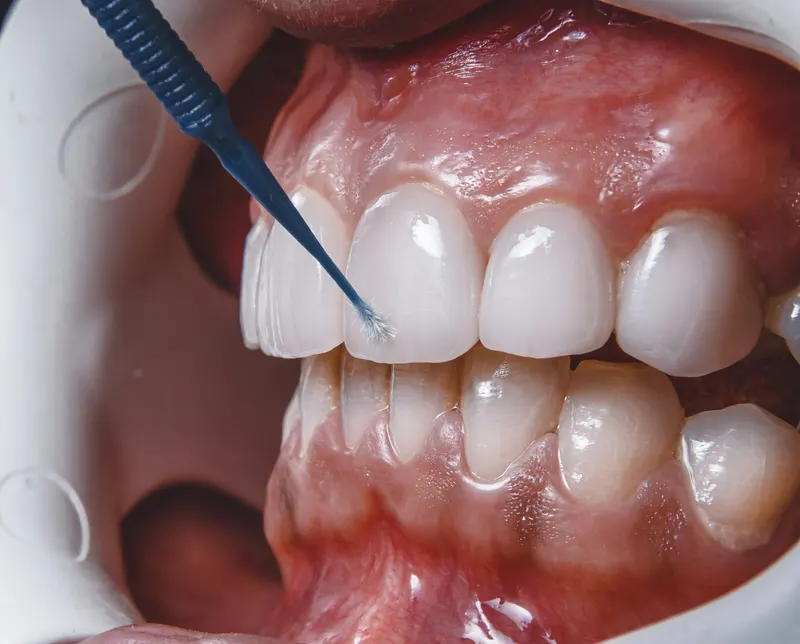
What’s included
- Gum measurements to assess the health of your gums
- Deep cleaning to remove tartar below the gumline
- Personalized home care guidance
- Ongoing maintenance visits to keep disease in check
- Protection for teeth, implants and restorations
About Periodontal Disease Treatment
Periodontal disease is a serious issue that affects many people's lives. Dr. Naiman treats gum disease right here in our Plainville office. The cleaning of calculus, or tartar, is a major component of treating periodontal disease. However, changes in the patient's behavior are just as important. Making sure your dental hygiene habits are up to par is critical in the treatment of periodontal disease. Your teeth are meant to last a lifetime, so it is critical to properly care for them. If you have periodontal disease, don't feel hopeless. It is a treatable disease, but one that requires the patient to be aware and active with their dental care.
Why Gum Health Matters
Gum disease starts as gingivitis, inflammation of the gums that often causes bleeding when you brush. At this stage it is usually reversible. If it progresses to periodontitis, the infection can damage the bone that holds teeth in place, leading to loose teeth and eventually tooth loss. Healthy gums also matter for dental work. Crowns, bridges and implants all depend on healthy gums and bone around them. Treating gum disease is often a first step before restorative treatment. Research has also linked gum disease with other health conditions, including diabetes and heart disease, which is one more reason to take bleeding or swollen gums seriously.
What to Expect
Treatment begins with an exam that includes measuring the depth of the spaces between your gums and teeth. X-rays may be taken to look at bone levels. For many patients, the core treatment is scaling and root planing, a deep cleaning that removes tartar and bacteria below the gumline. Afterward, more frequent maintenance cleanings help keep the disease under control. Your role matters just as much. Daily brushing and cleaning between teeth, and avoiding tobacco, make a real difference in how well the gums respond.
Common Questions
What are the signs of gum disease?
Can gum disease be cured?
Is gum disease treatment painful?
How often will I need cleanings after treatment?
Does gum disease affect dental implants?
Terms You May Hear
- Gingivitis
- The early stage of gum disease, involving inflamed gums that may bleed easily.
- Periodontitis
- Advanced gum disease in which infection damages the bone and tissue that support the teeth.
- Periodontal Pocket
- A space that forms between the gum and tooth when gum disease causes the tissue to pull away.
Related Services
Ready to Schedule Your Appointment?
Bleeding gums, bad breath or teeth that feel loose? Call (508) 695-7674 to have your gums checked.