
Tissue Grafting in Plainville, MA
Gum grafting to cover exposed roots, reduce sensitivity and protect teeth affected by gum recession.
When gums recede, they expose the roots of the teeth, which can be sensitive and more prone to decay. A gum graft adds tissue back where it has been lost, helping protect the teeth.
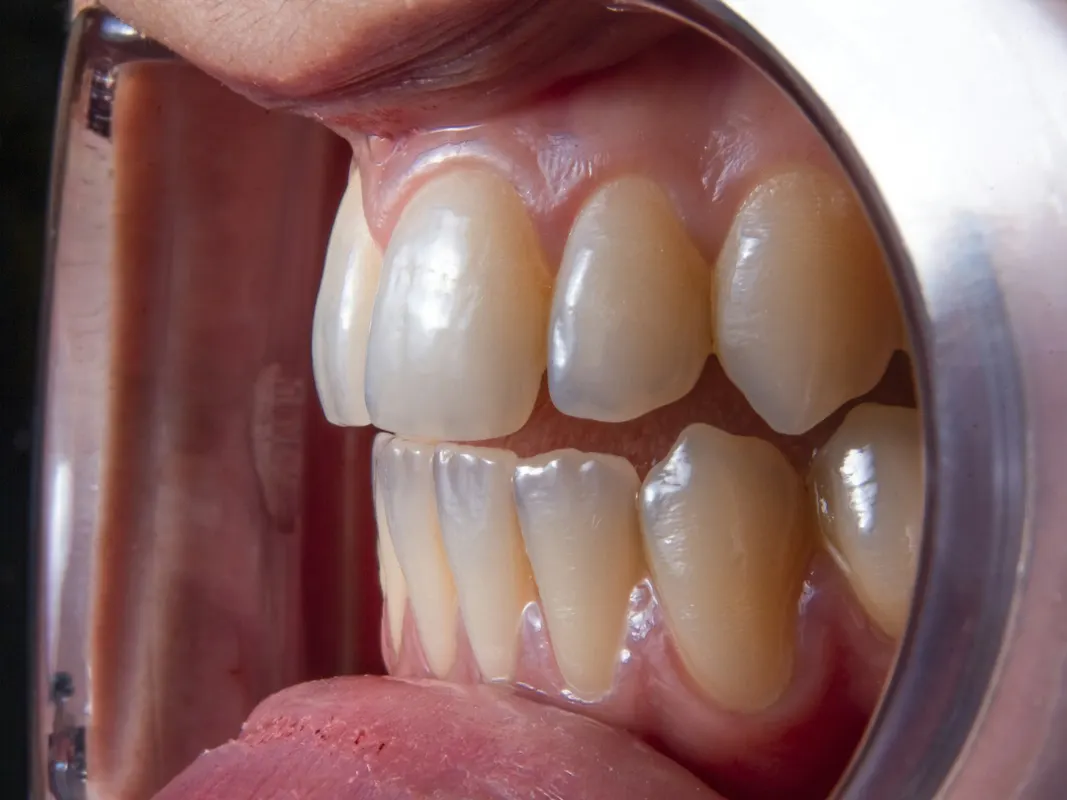
What’s included
- Treats gum recession and exposed tooth roots
- Can reduce sensitivity to hot and cold
- Helps protect roots from decay
- Several graft types, chosen for your situation
- Local anesthesia for comfort during the procedure
About Tissue Grafting
Tissue grafting is highly effective for treating patients with advanced gum recession, particularly when gum disease cannot be corrected through regular dental cleanings alone. This procedure repairs damaged gums and prevents further gum tissue loss, protecting your teeth's roots from decay. Additionally, tissue grafting reduces tooth sensitivity, especially to hot and cold temperatures. There are three primary types of tissue grafts available. Connective-tissue grafts are most commonly used; this procedure involves taking tissue from beneath a flap created in the roof of your mouth and stitching it over areas experiencing gum recession and exposed roots. Free gingival grafts are similar to connective-tissue grafts, but the tissue is taken directly from the palate to strengthen thinning gums. Pedicle grafts use adjacent gum tissue near the affected tooth to cover exposed roots, ideal for patients with sufficient healthy tissue around the area. The tissue grafting procedure is comfortable, thanks to local anesthesia, ensuring you feel no discomfort. Afterward, it's normal to experience mild soreness or swelling, which can be easily managed with rest, cold compresses, and, if necessary, prescribed medication. With proper aftercare, tissue grafting restores a healthy gum line, protecting your teeth and revitalizing your smile and confidence.
Why Treat Gum Recession
Gum recession tends to happen gradually, so it is easy to overlook. Causes include gum disease, brushing too hard, grinding, genetics and tooth position. Root surfaces are not covered by enamel, so once they are exposed they can be sensitive and more vulnerable to decay and wear. Recession can also continue over time, and in advanced cases it may contribute to loosening of teeth. Restoring gum tissue can help stabilize the area, make it more comfortable and improve the appearance of teeth that look long or uneven.
Recovery and Aftercare
For the first days after grafting, you will be asked to eat soft foods, avoid brushing the treated area directly and follow specific rinsing instructions. If tissue was taken from the palate, that area may be tender too. The graft typically heals over several weeks. A follow-up visit lets us check that it is healing as expected. Addressing the cause of recession, such as switching to a soft brush, adjusting brushing technique or managing grinding, helps protect the result over time.
Common Questions
What causes gums to recede?
Is gum grafting painful?
How long does it take to heal?
Will my teeth be less sensitive after grafting?
Can receding gums grow back on their own?
Terms You May Hear
- Gum Recession
- The pulling back of gum tissue that exposes more of the tooth or its root.
- Connective Tissue Graft
- A graft that uses tissue from beneath the surface of the palate to cover exposed roots.
- Palate
- The roof of the mouth, a common source of donor tissue for gum grafts.
Related Services
Ready to Schedule Your Appointment?
Notice your teeth looking longer or feeling more sensitive? Call (508) 695-7674 to have your gums evaluated.