
Preventative Dentistry in Plainville, MA
Everyday habits and routine professional care that help keep teeth and gums healthy and prevent problems.
Preventive care is the part of dentistry that does the most good for the least effort. Good daily habits paired with regular professional care can head off most cavities and gum problems.
What’s included
- Routine cleanings and exams
- Personalized brushing and flossing guidance
- Sealants to protect grooves in back teeth
- Oral cancer screening during checkups
- Early detection with digital X-rays when needed
About Preventative Dentistry
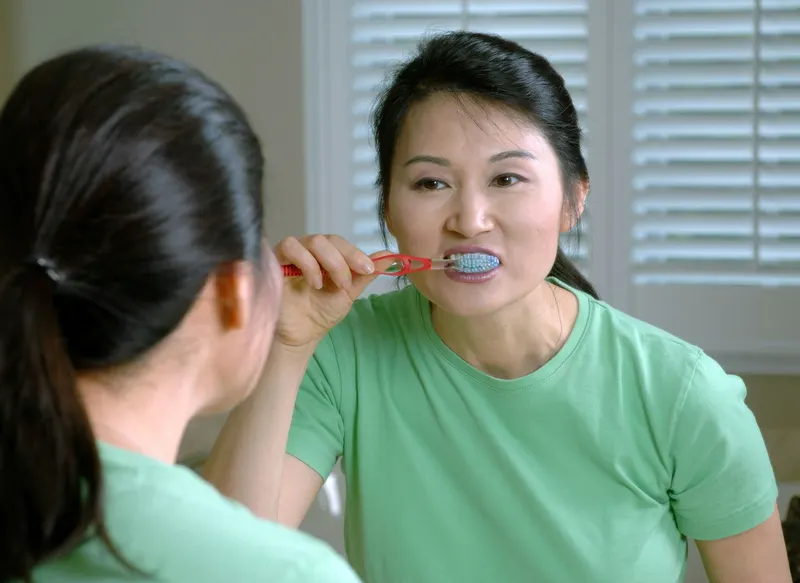
It is important to brush your teeth at least twice daily to help remove plaque and food particles that get stuck to your teeth. It is recommended that you brush your teeth for two minutes (or longer), though most people rush through this time. You need to make sure that you reach every side of each tooth, including the inside and outside. To help keep your breath fresh, you should also brush your tongue. Then, you can begin flossing.
Why Prevention Comes First
Most dental problems start small and quietly. Plaque left on teeth leads to decay and gum inflammation, and both can progress without pain until they are well advanced. Daily brushing and cleaning between teeth disrupt plaque before it can do damage. Professional cleanings remove the hardened tartar that home care misses, and exams catch what is developing early. Prevention also protects dental work you already have. Crowns, bridges and implants last longer when the teeth and gums around them stay healthy.
What a Prevention Plan Looks Like
At your visit we look at where plaque tends to build up in your mouth and offer practical tips for brushing and cleaning between your teeth, including tools that may make it easier. Depending on your needs, preventive care may include sealants on back teeth, fluoride, more frequent cleanings or monitoring of specific areas. The goal is simple: fewer surprises, less treatment and a mouth that stays comfortable and healthy.
Common Questions
How long should I brush my teeth?
Do I really need to floss?
Is an electric toothbrush better?
Does diet affect my teeth?
How often should I replace my toothbrush?
Terms You May Hear
- Fluoride
- A mineral that helps strengthen enamel and makes teeth more resistant to decay.
- Enamel
- The hard, protective outer layer of a tooth.
- Gingivitis
- Early, reversible inflammation of the gums, often caused by plaque buildup.
Related Services
Ready to Schedule Your Appointment?
Ready to get back on track? Call (508) 695-7674 to schedule your next checkup.