
Bonding in Plainville, MA
Tooth-colored resin applied and shaped to repair chips, close small gaps and improve the look of teeth, often in one visit.
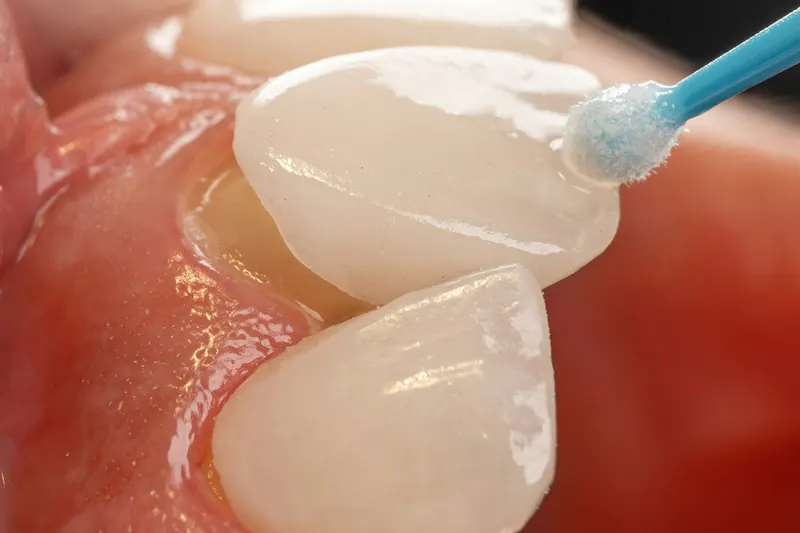
Bonding is one of the simplest ways to improve a smile. A tooth-colored resin is sculpted directly onto the tooth and hardened with a light, repairing small flaws without lab work or multiple visits.
What’s included
- Repairs chips and small cracks
- Can close minor gaps and even out tooth shape
- Covers exposed root surfaces near receding gums
- Usually completed in a single visit
- Little or no removal of natural tooth structure
About Bonding
Dental bonding is the procedure where we apply a tooth colored plastic material to a patient's tooth. Using a special light, the material hardens and bonds the material to the tooth. Dental bonding is used to improve a patient's smile. It can be used on cracked and decaying teeth. It also can be used for cavities. It can be used to change the shape and size of your teeth so you have a more uniform smile! It is also commonly used for receding gums by protecting the exposed teeth!
Why Choose Bonding
Bonding is conservative. In many cases little or no enamel needs to be removed, so the natural tooth is largely preserved. It is also quick and generally more affordable than crowns or veneers, which makes it a practical choice for small chips, minor gaps, uneven edges or discolored spots. The tradeoff is durability. Bonding resin is not as strong or stain-resistant as porcelain, so it can chip or discolor over time. For larger changes or teeth under heavy biting forces, a crown may be a better long-term choice.
What to Expect
Most bonding needs little or no numbing. The tooth surface is lightly roughened and conditioned so the resin will adhere, then the resin is applied, shaped and hardened with a curing light. Finally, the bonded area is polished to match the sheen of your natural enamel. The whole process often takes under an hour per tooth. Avoid biting nails, pens or ice with bonded teeth, and keep up regular cleanings to help the bonding last.
Common Questions
How long does dental bonding last?
Does bonding hurt?
Will bonding stain?
Is bonding or a crown better for a chipped tooth?
Can bonding fix gaps between teeth?
Terms You May Hear
- Composite Resin
- A tooth-colored material used in bonding and fillings that hardens when exposed to a curing light.
- Etching
- Lightly roughening the tooth surface so bonding material can grip it.
- Gum Recession
- When gum tissue pulls back from the tooth, exposing part of the root surface.
Related Services
Ready to Schedule Your Appointment?
Have a chipped tooth or small gap you would like fixed? Call (508) 695-7674 to ask about bonding.