
Porcelain Crowns in Plainville, MA
Natural-looking porcelain crowns that cover and protect teeth weakened by decay, fractures or large fillings.
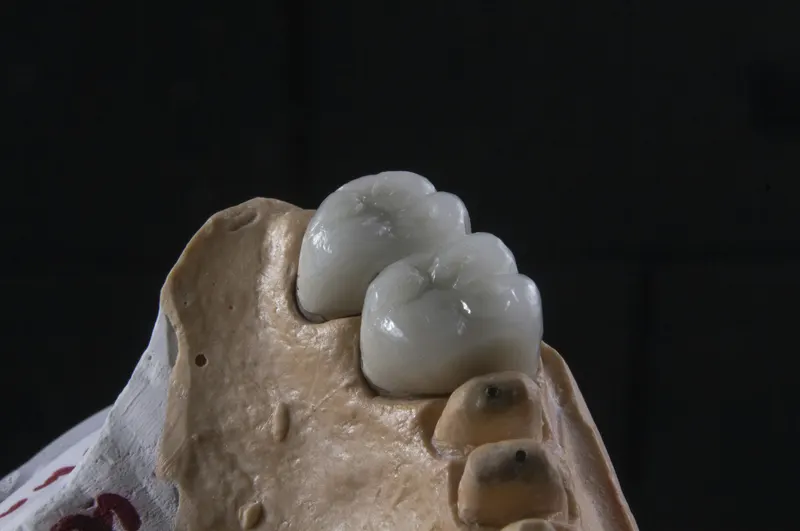
A crown is a custom cap that covers a damaged tooth, restoring its shape, strength and appearance. Porcelain crowns are shaded to blend with your natural teeth, so they look at home in your smile.
What’s included
- Covers and protects weak, cracked or heavily filled teeth
- Porcelain shaded to match neighboring teeth
- Restores strength for normal chewing
- Often recommended after a root canal
- Designed by a dentist with a special interest in prosthodontics
About Porcelain Crowns
Getting porcelain crowns is the best way to have a very natural looking smile. They are used when simply filling in a tooth is not an option. There are times when the decay is so bad that we just have to use a porcelain crown. We also use them with severely damaged teeth or teeth that have already had multiple fillings. Porcelain crowns are attached right to your teeth so that they can function, even when you bite something really hard! There are several types of porcelain crowns so it is important to discuss which type is best for you with your dentist.
Why a Crown Instead of Another Filling
Fillings work well for small and moderate areas of damage. When a large portion of a tooth is missing or cracked, a filling may leave thin walls that can break under chewing pressure. A crown covers the whole tooth and holds it together. Crowns are also commonly recommended after a root canal, especially on back teeth, and for teeth that are badly worn, discolored or misshapen. Crowns are one of the core restorations in prosthodontics, Dr. Naiman's area of special interest. The fit at the gumline, the contact with neighboring teeth and how the crown meets your bite all affect how comfortable it feels and how long it lasts.
What to Expect
At the first visit, the tooth is numbed, any decay is removed and the tooth is shaped to make room for the crown. Impressions or scans are taken, the shade is matched to your neighboring teeth and a temporary crown is placed. At the second visit, the temporary is removed and the permanent crown is checked for fit, bite and appearance before it is cemented. Care for a crown the same way you care for your natural teeth. The crown itself cannot decay, but the tooth underneath can, especially at the edge near the gums.
Common Questions
How long does a porcelain crown last?
Does getting a crown hurt?
Will my crown look natural?
What types of porcelain crowns are there?
Can a crown fall off?
Terms You May Hear
- Dental Crown
- A custom cap that covers the entire visible portion of a tooth to restore its shape and strength.
- Zirconia
- A strong, tooth-colored ceramic material often used for crowns on back teeth.
- Temporary Crown
- A short-term crown worn while the permanent crown is being made.
Related Services
Ready to Schedule Your Appointment?
Have a cracked tooth or a filling that keeps failing? Call (508) 695-7674 to see if a crown is the right fix.